Why Pinning Ceremonies Matter: Celebrating New Central Sterile Processing Graduates
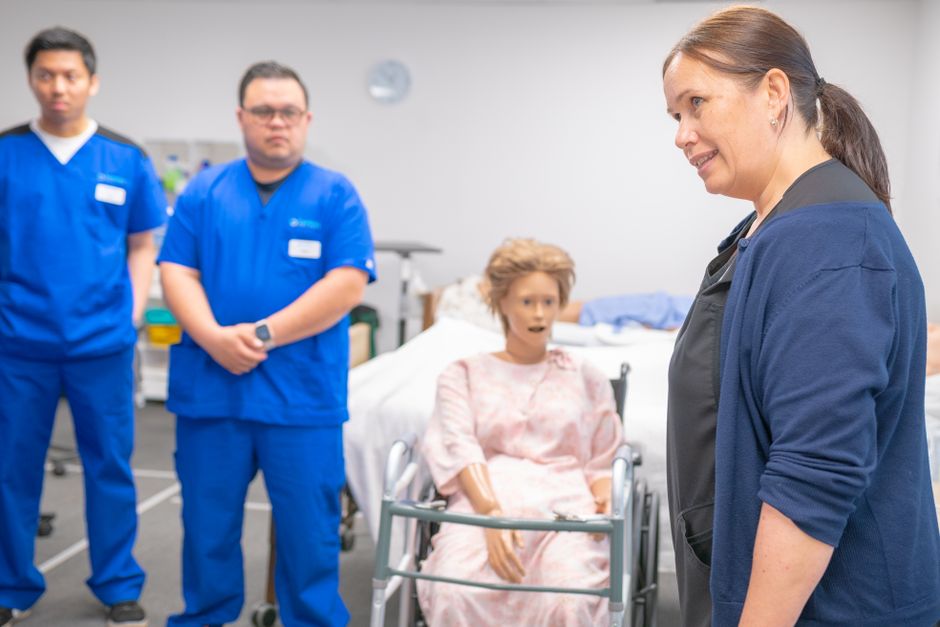
SRTC recently honored Central Sterile Processing graduates in a traditional pinning ceremony. These celebrations mark an important milestone in SPT career development.
Introduction
Pinning ceremonies have long been a tradition in healthcare education, symbolizing the transition from student to professional. When Southern Regional Technical College (SRTC) recently honored their Central Sterile Supply Processing Technician graduates with a formal pinning ceremony, it highlighted the growing recognition of sterile processing as a specialized healthcare discipline requiring dedicated training and certification.
What's Happening
SRTC held a pinning ceremony to celebrate their recent Central Sterile Supply Processing Technician program graduates. This formal recognition event follows the traditional healthcare education model where new graduates receive pins symbolizing their entry into the profession. The ceremony represents the completion of structured training designed to prepare students for careers in hospital sterile processing departments, ambulatory surgery centers, and other healthcare facilities requiring sterile instrument reprocessing expertise.
Why This Matters for Sterile Processing Professionals
Formal education programs like SRTC's represent a significant shift in how the healthcare industry views sterile processing careers. For years, many SPTs learned on the job without structured curriculum or formal recognition. These academic programs change that narrative in several important ways:
Professional Recognition: Pinning ceremonies elevate sterile processing to the same level of respect given to other healthcare disciplines. When institutions hold formal graduations, they're acknowledging that SPT work requires specialized knowledge and skills.
Standardized Training: Academic programs ensure graduates understand fundamental concepts like microbiology, infection prevention, instrument identification, and sterilization principles before they handle complex reprocessing tasks. This creates more competent entry-level technicians.
Career Pathway Development: Formal education programs often include pathways to certification preparation, helping graduates understand the importance of CRCST or CSPDT credentials from day one rather than discovering certification requirements years into their careers.
Industry Credibility: When technical colleges develop sterile processing curricula, it signals to healthcare administrators that this field requires investment in proper training and competitive compensation.
What SPTs Should Know or Do
• Support formal education initiatives: Whether you're a seasoned SPT or department manager, advocate for partnerships between your facility and local technical colleges to develop internship or clinical rotation opportunities
• Pursue continuous education: Even if you entered the field through on-the-job training, consider formal coursework to fill knowledge gaps and strengthen your professional foundation
• Mentor new graduates: Students from programs like SRTC's bring theoretical knowledge but need practical guidance on workflow efficiency, troubleshooting, and departmental culture
• Emphasize certification value: Help new graduates understand that CRCST or CSPDT certification isn't just a credential—it's validation of their expertise and commitment to patient safety
• Celebrate achievements: Whether it's a pinning ceremony, certification success, or career advancement, recognizing professional milestones helps build pride in our field
The Bottom Line
Pinning ceremonies for sterile processing graduates might seem ceremonial, but they represent something much larger: the evolution of our field from task-oriented work to recognized healthcare specialty. As more technical colleges develop sterile processing programs, we're building a stronger foundation for the future of our profession. These formally trained graduates, combined with certification and continuing education, are raising the bar for sterile processing excellence across the healthcare industry.
Advance Your SPT Career
Whether you're a recent graduate like those honored at SRTC or an experienced technician looking to formalize your knowledge, certification remains the gold standard for sterile processing professionals. At Sevy SPD, our comprehensive CRCST and CSPDT preparation courses have helped over 2,400 graduates achieve certification success. Our online platform provides the flexible, thorough preparation you need to join the ranks of certified professionals advancing patient safety through expert sterile processing. Ready to take the next step in your career? Explore our certification prep courses at sevyspd.com.
Topics:
Sources
For more information or to validate the content above, see the original source:
SRTC Central Sterile Supply Processing Technician graduates honored in pinning ceremony - Tifton GazetteReady to Advance Your SPT Career?
Join 2,623+ graduates who prepared for their CRCST and CSPDT certifications with Sevy SPD.
Start Your Training Today →